

The Science
By Don Sheff, founder of Coefficient Cycling and designer of the patented SWOPE bar-top geometry.
By Don Sheff, founder of Coefficient Cycling and designer of the patented SWOPE bar-top geometry.
Two questions drive every Coefficient handlebar: is it faster, and can you hold it comfortably hour after hour? The first question went to a wind tunnel. The second comes down to where the pressure sits on your hands. This page covers both.
Coefficient benchmarked the RR against the Zipp SL-70 Aero, a popular and widely reviewed aero road bar, at the San Diego Low Speed Wind Tunnel. Cycling aerodynamicist Aaron Ross designed the testing protocol, and two test riders, Chloe Woodruff and Evan Pardi, rode both bars across a range of hand positions. The rider-by-rider results are published further down this page, along with the full test document, so you can read the data rather than take our word for it.
Hands tend to go numb on a long ride when they stay locked in one position and pressure builds on the same part of the palm for too long. The most reliable fix riders and reviewers point to is simple: change your hand position often, so the load keeps moving. A bar helps when it gives you more than one comfortable place to hold, and a starting position that does not twist your wrists in the first place. For a fuller guide, see why your hands go numb when cycling.
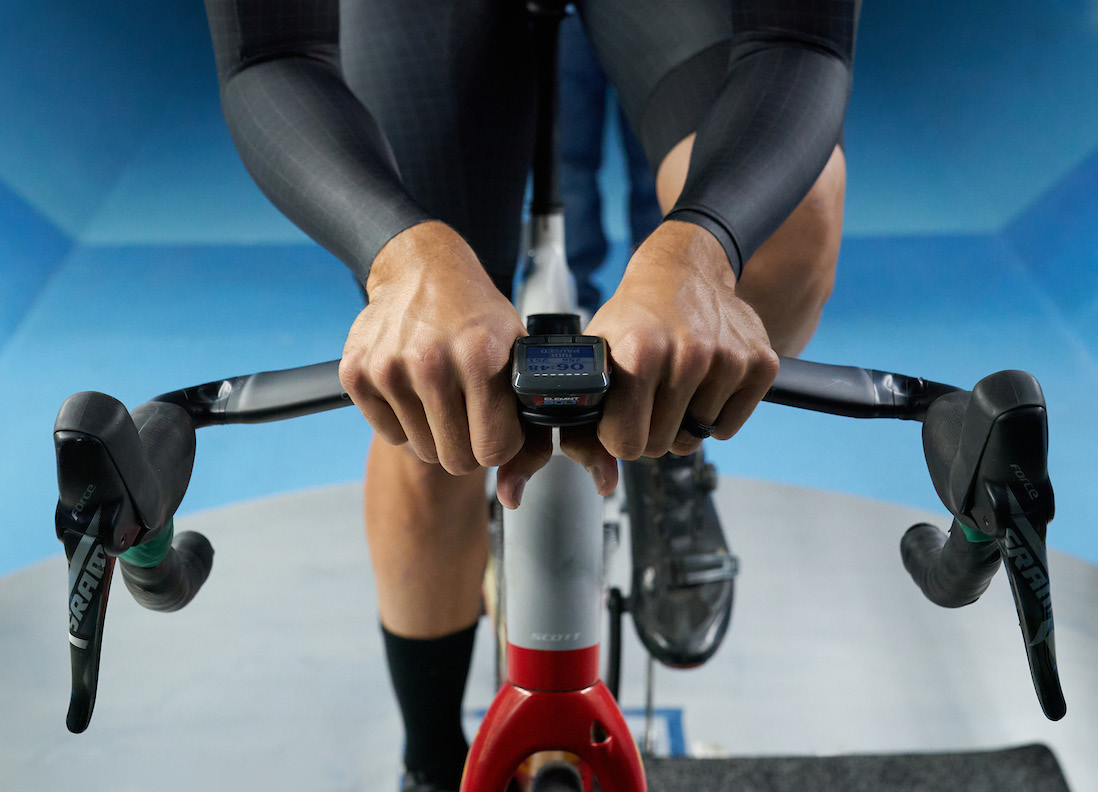
Hold your arms out in front of you, palms down. Your hands settle with the thumbs slightly raised, not flat. A conventional straight bar top makes your wrists rotate away from that natural angle and hold the twist for as long as you ride. SWOPE, Coefficient's bar-top shape, combines 12 degrees of rearward sweep with 15 degrees of downward slope so your shoulders, arms and wrists sit in a more natural position. The figures hold up outside our own spec sheet: Cyclingnews notes the same 12-degree backsweep and 15-degree downslope in its AR review, and road.cc found the sloping, backswept tops removed the uneven wrist stresses of a conventional bar.
The shaped tops also give you several distinct places to rest your hands. Changing grip through a long day then feels natural rather than something you have to remember to do, and the load on your palms keeps moving instead of settling in one spot.
Coefficient makes two drop bars, and the difference between them is how they feel, not what surface they are allowed on. The RR is the firmer, road-leaning bar. The AR is the more compliant, gravel-leaning one. Both are built for pavement and gravel; choose by where you ride most and how firm you like the front of the bike to feel.
Independent reviews describe the same split. Comparing the two, Guy Kesteven at Cyclingnews found the RR more solid than the AR, with a little more vibration on rough surfaces, though never punishing over long distances. Riding the RR on a stiff modern road bike, road.cc reported great shock and vibration absorption on the hoods, even over extreme washboard surfaces. Impressions like these vary with bike and tires, but the pattern matches how the two bars are positioned.
An independent road.cc review of the RR found the sloping, backswept design removed the uneven wrist stresses of a conventional bar on long seated climbs, reducing forearm fatigue and shoulder tension. Cyclingnews described the position the bar tucks you into as "very comfortable, but also aero efficient". The Cycling Independent's reviewer put it plainly: "I've done four hours on this bar and arrived home more comfortable than I have in a few years." The shape has a race win behind it, too: Ian Boswell won the 2021 Unbound Gravel 200, the marquee race in US gravel, riding a Coefficient RR.
Coefficient studies its bar-top geometry in partnership with Cyclologic and its MotionMetriq lab, a cycling performance-science group whose work extends to the WorldTour. The aim is to understand why riders keep reporting a more comfortable, more planted position on the SWOPE shape, and to keep refining it from real rider data rather than marketing claims. The SWOPE bar-top shape is protected by U.S. Patent No. 11,505,275, "Ergonomic handlebar systems."
The RR is the road-first pick, and the bar Ian Boswell rode to his Unbound Gravel win. It comes in 36, 38, 40, 42 and 44 cm widths.
The AR is the pick for gravel and all-road riding, with a more compliant feel, and it is quick on the road too. It comes in 38, 40, 42, 44 and 46 cm widths.
Both bars share the SWOPE tops and are molded from Toray unidirectional carbon. You can see the full range of Coefficient road bike handlebars.
SWOPE is Coefficient's bar-top shape. It combines 12 degrees of rearward sweep with 15 degrees of downward slope, so your shoulders, arms and wrists sit in a more natural position.
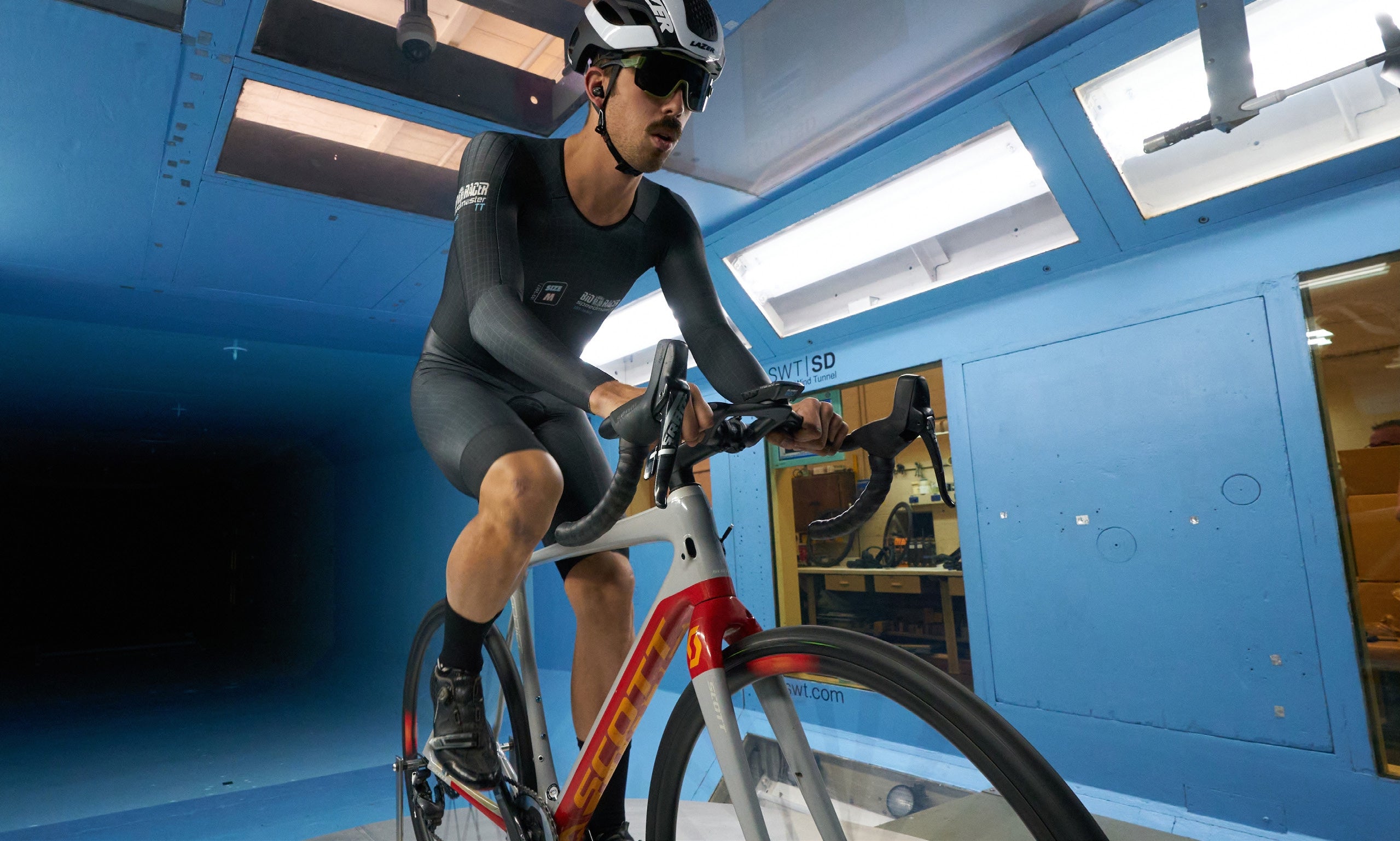
Coefficient benchmarked the RR against the Zipp SL-70 Aero at the San Diego Low Speed Wind Tunnel. Cycling aerodynamicist Aaron Ross designed the protocol, and two test riders rode both bars across a range of hand positions.
Hands tend to go numb when they stay in one position and pressure builds on the same part of the palm. The most reliable fix is to change your hand position often, which a bar with several comfortable holds makes easy.
At Coefficient we optimize real world performance by thoughtfully blending three essential features – rider comfort, metabolic efficiency, and aerodynamics – into every product.
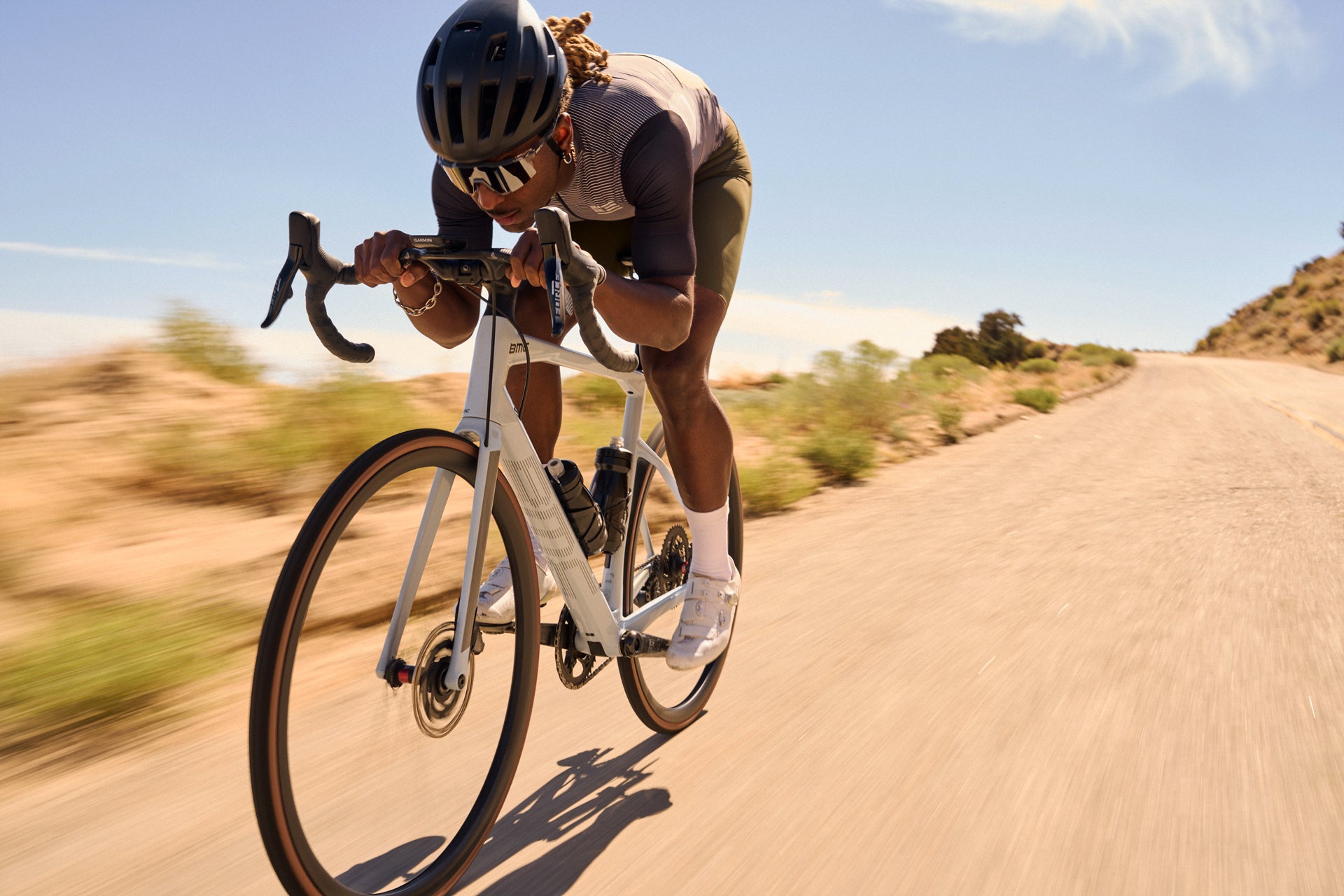
In addition to improving upper body alignment, Coefficient AR™ and RR handlebars are designed to ensure the rider’s control levers remain in a familiar location when switching from conventional handlebars. During the design process, the placement of the handlebar drops relative to the stem mount is fixed in space to match a conventional handlebar. From here, Coefficient shapes the bar tops to align with the natural orientation of the rider’s hands, wrists, arms, and shoulders. Ergonomic and anthropometric data are blended with feedback from world-class bike fitters and racers to determine the final product design with each handlebar size tailored to the rider most likely using it.
SWOPE™ (sweep + slope) is Coefficient’s most recognizable innovation. Anthropometric data has influenced additional ergonomic improvements such as proportional sizing to accommodate a variety of hand sizes and thumb notches to improve control while riding in the drops
Wind Tunnel Testing
In January 2021, cycling aerodynamicist and Wyoming Wind Tunnel CEO Aaron Ross accepted the challenge of designing a handlebar testing protocol that captures data replicating real world cycling while being repeatable with different riders. Coefficient decided to use the world-renowned San Diego Low Speed Wind Tunnel to confirm their handlebar design advantages.
Testing against the Zipp SL-70
Aero Handlebar
Coefficient’s goal was to test against one of cycling’s leading aero drop handlebars. The popular, well tested and often reviewed Zipp SL-70 Aero handlebar was selected. Zipp claims the SL-70 Aero handlebar saves 6.4 watts over a round tube bar.
The Testing Protocol
The testing protocol was designed to compare and quantify Coefficient’s RR handlebar’s unique hand positions versus a traditionally shaped aero drop handlebar. This was achieved in several ways that are logical to how cyclists place their hands on handlebars in the real world. The protocol includes a detailed framework outlining everything from airspeed, wheel speed, data sweeps, data averages, and rider hand positions.
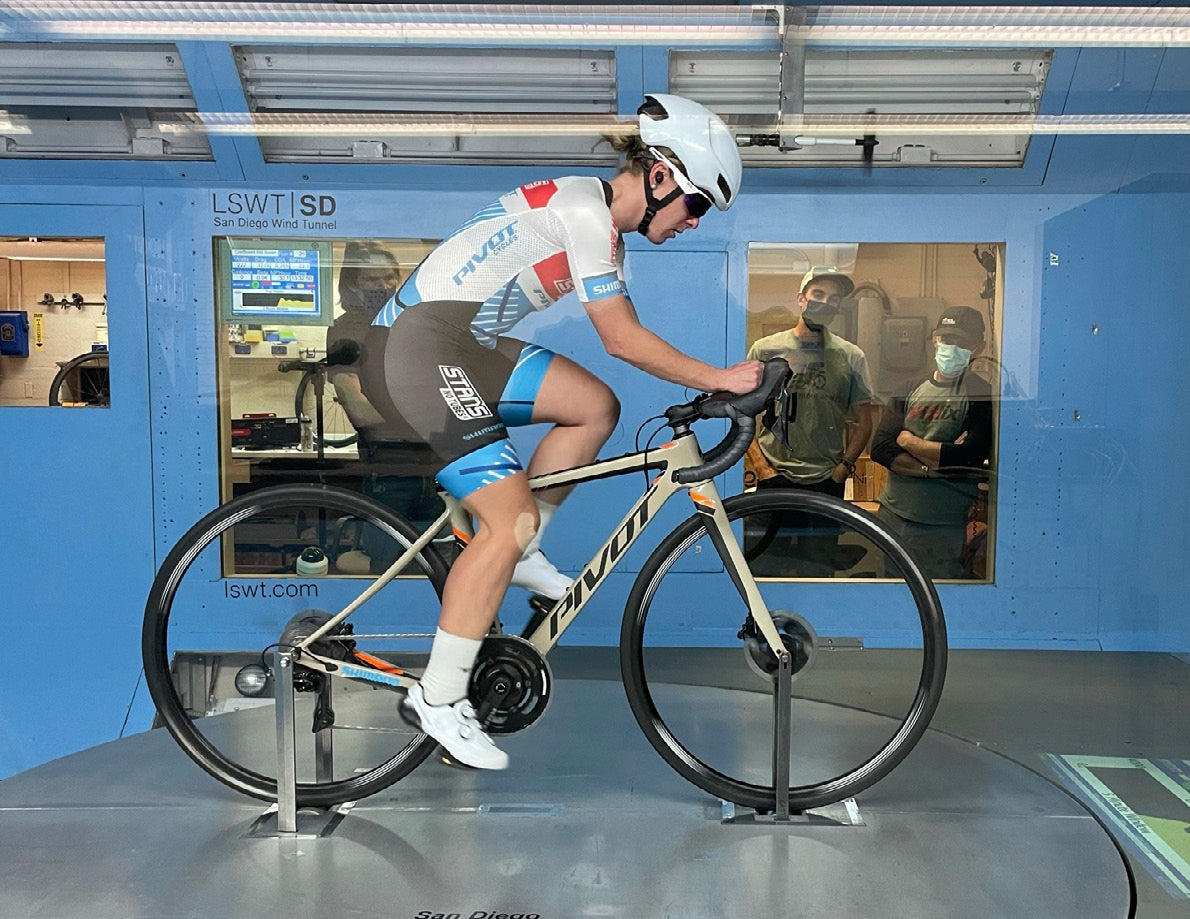
San Diego Wind Tunnel testing confirmed that the Coefficient RR offers superior aerodynamic advantages to the Zipp SL-70 Aero handlebar when riding in the Tops Middle Aero, Secure Aero, Secure Aero Attack and Super Aero hand positions. The results show that both test riders, Evan Pardi and Chloe Woodruff, were able to maintain a more aerodynamic position when using the Coefficient RR handlebar. Furthermore, if a cyclist chooses to ride in the traditional hand positions on the RR bar, their aerodynamic advantage is the same as the Zipp SL-70 Aero handlebar.
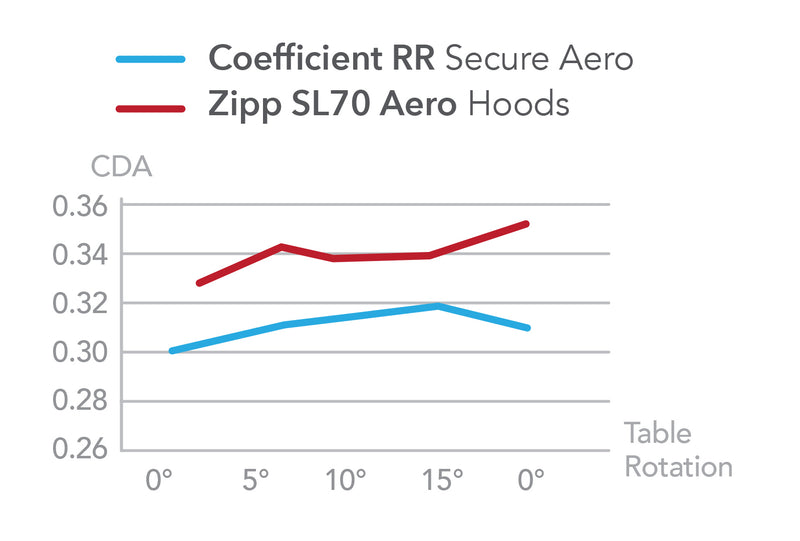
Chloe gained advantages using the unique hand positions provided by the Coefficient RR bar. Chloe saw her largest aero-drag reduction of 10% when riding in RR Secure Aero vs Zipp Hoods and an 8% reduction when riding RR Super Aero vs Zipp Hoods Attack. During recovery periods, Chloe was 3% faster riding RR Tops Middle Aero vs Zipp Tops Middle.
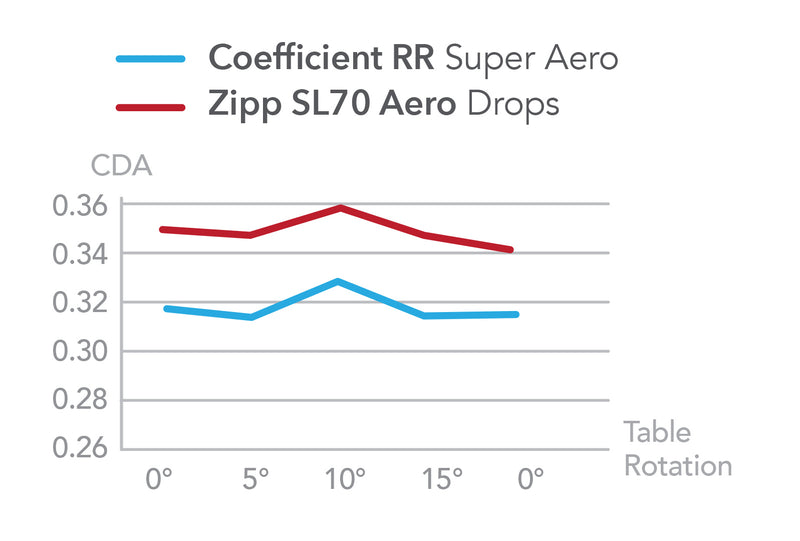
Evan’s testing produced similar results. Evan received an aero-drag reduction of 10% riding RR Super Aero vs Zipp Drops and an 8% reduction riding RR Secure Aero Attack vs Zipp Hoods Attack. During recovery periods, Evan was 6% faster riding RR Tops Middle Aero vs Zipp Tops Middle.
Read the full in-depth test document


Real people making great products
